Progressive Overload for Longevity: Why Strength Training Is the Best Anti-Aging Tool

Slug: strength-training-longevity-anti-aging Target Keyword: strength training longevity anti-aging progressive overload Meta Description: Strength training is the most powerful anti-aging intervention available. Learn how progressive overload preserves muscle, bone, and brain health — and how to program it safely at any age. Category: strength-training Published: 2026-04-12 Author: Alex Chen Hero Image: https://images.unsplash.com/photo-1571019614242-c5c5dee9f50b?w=1920&q=85 Read Time: 13 min read
---
There's a reason the world's leading gerontologists are starting to sound like strength coaches: muscle is medicine.
Sarcopenia — the age-related loss of muscle mass — begins as early as your 30s and accelerates sharply after 60. Left unchecked, it's a primary driver of falls, fractures, metabolic disease, cognitive decline, and loss of independence. It's also almost entirely preventable.
What the research now makes unambiguously clear is this: progressive overload resistance training doesn't just slow age-related muscle loss — it can reverse it at virtually any age.
A 2024 meta-analysis in the British Journal of Sports Medicine found that adults over 60 who followed structured resistance training programs gained an average of 1.1 kg of lean mass and reduced all-cause mortality risk by up to 23%. A separate analysis of nearly 80,000 adults found that strength training twice per week was associated with a 17% reduction in all-cause mortality, independent of cardiovascular exercise.
This guide breaks down the science, defines a minimum effective dose, and shows you how to program progressive overload safely for decades of training — whether you're 30 and playing the long game, or 65 and ready to start.
---
What Aging Does to Your Muscle (And Why It Matters More Than You Think)
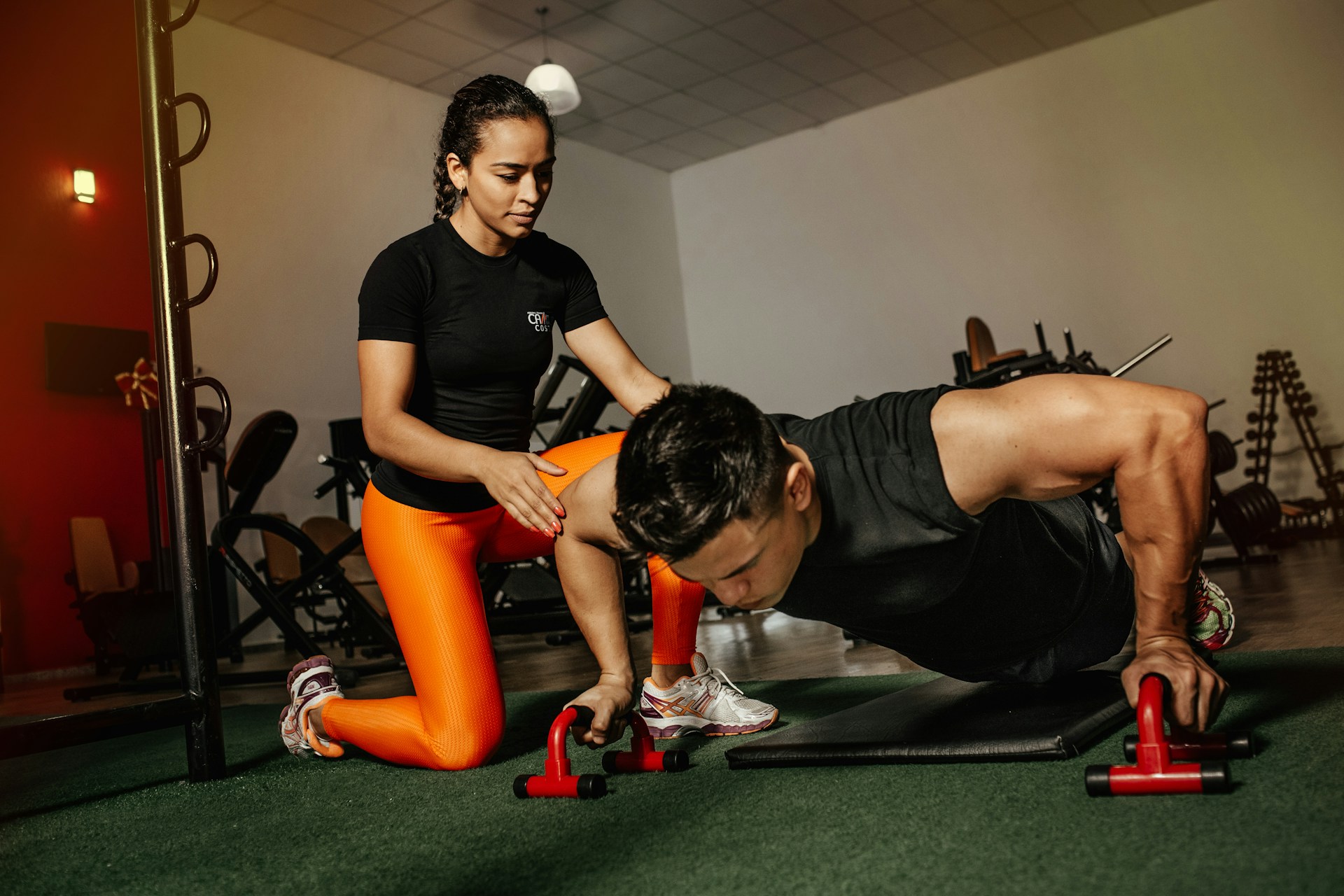
Progressive resistance training remains effective well into your 70s and beyond.
After age 30, the average sedentary adult loses 3–5% of muscle mass per decade. After 60, that rate accelerates to roughly 1–2% per year. By 80, a sedentary person may have lost 30–40% of the muscle they had at their peak.
But muscle loss isn't just cosmetic. Skeletal muscle is:
- The largest organ of glucose disposal — sarcopenia directly drives insulin resistance and type 2 diabetes risk
- The body's amino acid reserve during illness, surgery, or trauma
- A critical stabilizer for joints, balance, and gait speed
- A key regulator of resting metabolic rate
A 2023 study in JAMA Internal Medicine found that grip strength — a reliable proxy for total-body muscle mass — was a stronger predictor of cardiovascular mortality than systolic blood pressure. More muscle mass isn't just about performance. It literally correlates with a longer life.
The good news: skeletal muscle retains remarkable plasticity throughout the lifespan. An 80-year-old beginner to resistance training can gain meaningful muscle. The mechanism still works. You just have to apply the stimulus.
---
How Progressive Overload Fights Aging at Every Level
Progressive overload — systematically increasing training stress over time — is the specific mechanism that makes strength training anti-aging. Here's what it does at each biological level:
Muscle Tissue
Mechanical tension from loaded movements triggers mTOR signaling, which activates satellite cells — the stem cells of muscle tissue. In older adults, this anabolic pathway becomes less sensitive, but it doesn't shut off. Research published in Frontiers in Physiology (2022) shows that older adults require slightly more total volume to achieve the same anabolic response as younger lifters — but they respond equally well when volume is adequate and training is consistent.
Bone Density
Compressive and tensile forces from loaded movements directly stimulate osteoblast activity, increasing bone mineral density. A 2023 Cochrane Review confirmed that high-intensity progressive resistance training (above 70% of 1-rep max) is the most effective non-pharmacological intervention for preventing osteoporosis in postmenopausal women — outperforming walking, yoga, and low-intensity exercise.
Brain Health
The cognitive benefits of strength training are less discussed but equally compelling. A 2021 meta-analysis in Neuroscience & Biobehavioral Reviews found that resistance training reduced depressive symptoms and improved cognitive function — particularly executive function — in adults over 50. The mechanism likely involves BDNF (brain-derived neurotrophic factor) release triggered by high-effort muscular contractions. Muscle contractions also release irisin, a hormone shown to cross the blood-brain barrier and reduce neuroinflammation.
Cellular Aging
A 2022 study in Aging Cell found that regular resistance training preserves telomere length and reduces senescent cell accumulation — two hallmarks of biological aging. Long-term trained older adults showed cellular aging profiles closer to people 10–20 years younger than their sedentary peers.
---
Minimum Effective Dose: How Much Strength Training Do You Need for Longevity?
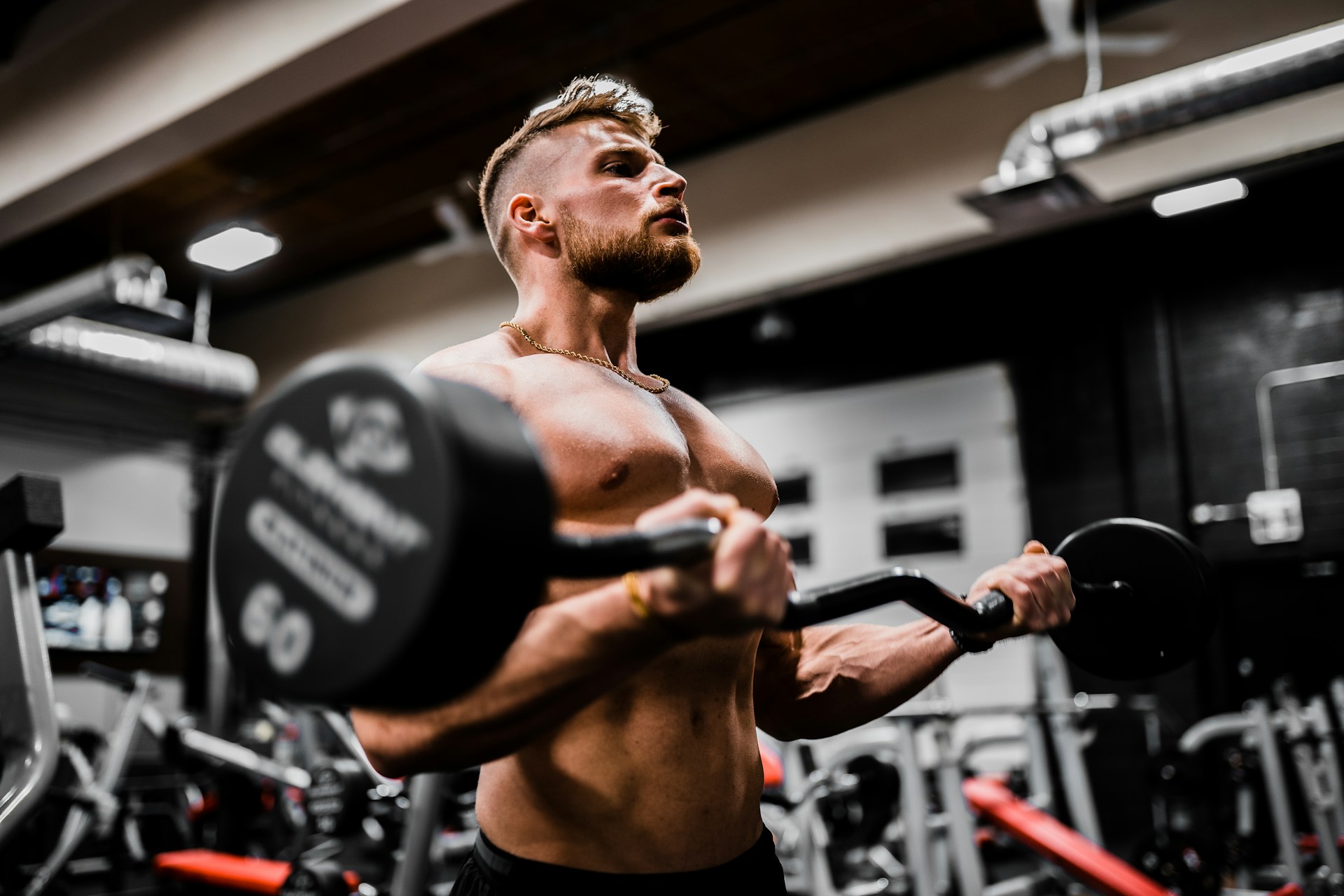
You don't need to train like a competitive powerlifter to get longevity benefits. Consistency beats volume.
The WHO recommends 2 sessions per week of muscle-strengthening activity. For longevity specifically, the research points to a clearer minimum effective dose:
Minimum (survival-level dose):
- 2 days/week
- 2–3 sets per muscle group
- 8–15 rep range
- RPE 7–8 (2–3 reps from failure)
Optimal (maximum longevity return):
- 3 days/week
- 10–20 sets per muscle group per week
- Mix of lower-rep strength work (5–8 reps) and moderate-rep hypertrophy work (10–15 reps)
A 2022 study in Medicine & Science in Sports & Exercise found that even a single set per exercise, performed to near-failure, produced significant strength gains in older adults over 12 weeks. The key variable was proximity to failure — not total volume. More is better, but something beats nothing by a massive margin.
For longevity applications, the practical sweet spot is:
- 2–3 sessions/week of full-body or upper/lower programming
- Compound-first structure (squat, hinge, push, pull, carry)
- Explicit progressive overload tracking — log weights and reps, add load or volume every 1–2 weeks
If you're building this habit from scratch, our 12-week beginner strength training program is designed specifically to establish this foundation safely.
---
How Older Lifters Should Program Differently
Training for longevity isn't "old people training light." The principles of progressive overload are identical. The application adjusts for recovery capacity and cumulative joint wear.
1. Extend Recovery Time Between Sessions
Muscle protein synthesis remains elevated longer in older adults — 48–72 hours versus 24–48 hours in younger lifters. This is actually a programming advantage: full-body 3×/week or upper/lower splits work exceptionally well because you hit each muscle group multiple times per week with full recovery between sessions.
For structuring off days, see our breakdown of active recovery vs. rest days.
2. Prioritize Hip Hinge Patterns
Deadlifts, Romanian deadlifts, trap bar deadlifts, and kettlebell swings are among the highest-value longevity exercises in existence. They train the posterior chain — glutes, hamstrings, and spinal erectors — which is the primary muscular system responsible for fall prevention and functional independence.
A strong posterior chain reduces fall risk more than almost any other training adaptation in older adults. Our complete deadlift guide covers setup, technique, and common mistakes.
3. Use Supportive Equipment Strategically
As training loads increase with age, supportive gear becomes a smart investment — not a crutch. A quality lifting belt provides intra-abdominal pressure feedback during heavy squats and deadlifts, which is especially valuable for lifters over 50 who may have accumulated some spinal wear. The Tribe Lifting Weight Lifting Belt is a solid choice for this purpose — reinforced construction, proper width for lifting (not a fashion accessory).
Similarly, Tribe Lifting Straps allow grip-limited lifters to continue loading the posterior chain without grip strength becoming the bottleneck. As we age, grip often lags behind back and leg strength. Straps let you keep training what matters.
4. Add Unilateral Work
Single-leg and single-arm exercises expose strength asymmetries that bilateral movements mask, and they build stabilizer strength critical for fall prevention. Include Bulgarian split squats, single-leg RDLs, step-ups, and single-arm rows as staples alongside bilateral compound work.
5. Track RIR, Not Percentages
The 2026 ACSM guidelines updated the standard from percentage-based programming to RIR (Reps in Reserve) autoregulation. For older lifters, this is particularly practical: day-to-day variation in readiness, sleep quality, and stress means a fixed percentage of 1RM is often inaccurate. Effort relative to daily capacity is a more reliable training signal.
---
A Progressive Overload Framework for Long-Term Strength
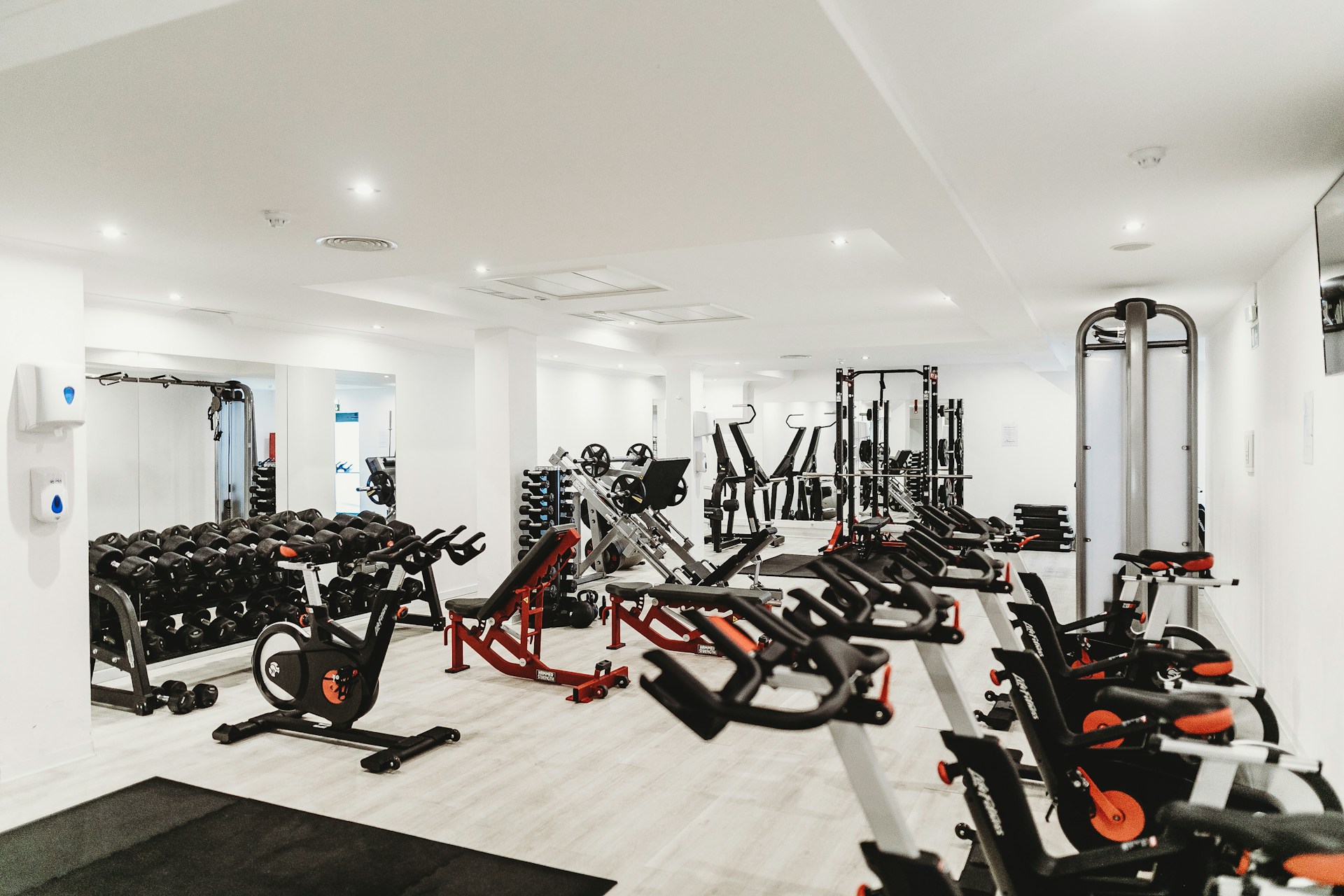
Tracking your lifts is the single most important habit for sustained progressive overload.
Here's a simple periodized framework built for longevity:
Phase 1 — Calibration (Weeks 1–4)
- Set working weights at RPE 6 (4+ reps left in tank)
- 3×10–12 per exercise
- Focus on technique, range of motion, and identifying any joint discomfort
- 2–3 exercises per muscle group per session
Phase 2 — Volume Build (Weeks 5–8)
- Add 1 set per exercise per week (double progression method)
- Work toward 4×10–12
- Add weight when top set feels RPE 6 or lower across all reps
Phase 3 — Intensity Block (Weeks 9–12)
- Shift to 3×6–8 with heavier loads
- Maintain RPE 7–8 ceiling — never train to absolute failure
- Take a deload week at week 10 or 11 (reduce volume 40–50%, keep intensity)
Repeat with slightly heavier starting loads in the next 12-week cycle. This is how progressive overload compounds over years — not through dramatic weight jumps, but through consistent small increases across hundreds of sessions.
---
Nutrition: The Other Half of the Anti-Aging Equation
Progressive overload provides the mechanical stimulus. Protein provides the building material.
Older adults need more protein than younger lifters — not less. Research from the University of Arkansas and multiple subsequent studies suggest a minimum of 1.2–1.6g of protein per kg of body weight for adults over 60, compared to the oft-cited 0.8g/kg RDA (which barely prevents deficiency, let alone supports muscle building).
Distributing protein across 3–4 meals with 30–40g per sitting optimizes muscle protein synthesis, given the reduced anabolic sensitivity of aging muscle tissue. Our guide on optimal protein intake for muscle building covers this in full.
Creatine is the other non-negotiable for older lifters. A 2021 systematic review in Nutrients confirmed that creatine combined with resistance training produces significantly greater lean mass and strength gains in adults over 55 than training alone — and emerging research suggests independent neuroprotective benefits. See our complete creatine guide for dosing and protocol.
---
FAQ
Q: Is strength training safe for people over 60? Yes — when programmed appropriately, resistance training is one of the safest and most beneficial activities for older adults. Start with machine-based or dumbbell work if free weights feel intimidating, focus on controlled technique, and increase load gradually. The risk of inactivity far exceeds the risk of well-programmed strength training.
Q: How do I know when to add weight? When you can complete all prescribed reps with RPE 6 or lower (4+ reps remaining in the tank), add weight. For most exercises, 2.5–5 lb increments work well for upper body; 5–10 lbs for lower body. Never chase numbers — chase consistent effort levels.
Q: What's the best 3-day split for longevity? Full-body 3×/week (Monday/Wednesday/Friday) with compound-first programming. This maximizes training frequency while respecting 48+ hour recovery windows. Each session covers a squat, hinge, push, and pull pattern.
Q: Will I lose progress if I take time off? Muscle memory is real and scientifically documented. Detraining studies show that returning lifters regain previous strength and size faster than they originally built it. Long-term consistent training builds a structural reserve that makes comebacks efficient — another reason to start as early as possible.
Q: Does strength training actually slow aging at the cellular level? Yes. Beyond telomere preservation, resistance training has been shown to improve mitochondrial function in aging muscle tissue — literally reversing one of the primary cellular mechanisms of aging. A 2019 study found that endurance and resistance training combined restored mitochondrial capacity in older adults to levels comparable to much younger individuals.
---
Sources: British Journal of Sports Medicine (2024), JAMA Internal Medicine (2023), Frontiers in Physiology (2022), Neuroscience & Biobehavioral Reviews (2021), Cochrane Database of Systematic Reviews (2023), Aging Cell (2022), Medicine & Science in Sports & Exercise (2022), Nutrients (2021), ACSM Guidelines for Exercise Testing and Prescription 2026.
Get Stronger Every Week
Join 50,000+ lifters getting evidence-based training advice in their inbox.


