Strength Machines Over 50: When They Beat Free Weights for Building Muscle

Direct answer: strength machines over 50 can beat free weights when the goal is to train hard with more stability, less skill demand, and fewer balance or joint-position limits. Free weights are still valuable, but machines are often the better choice for rebuilding muscle, training close enough to failure, protecting irritated joints, and progressing safely when recovery is not as forgiving as it was at 25.
This does not mean older lifters should avoid barbells and dumbbells. It means exercise selection should serve the goal. If a machine leg press lets you train quads hard without low-back irritation, it is not a lesser squat. If a chest-supported row lets your upper back work while your lower back rests, it is not a shortcut. A strong program after 50 uses the tool that gives the best stimulus with the lowest unnecessary cost.
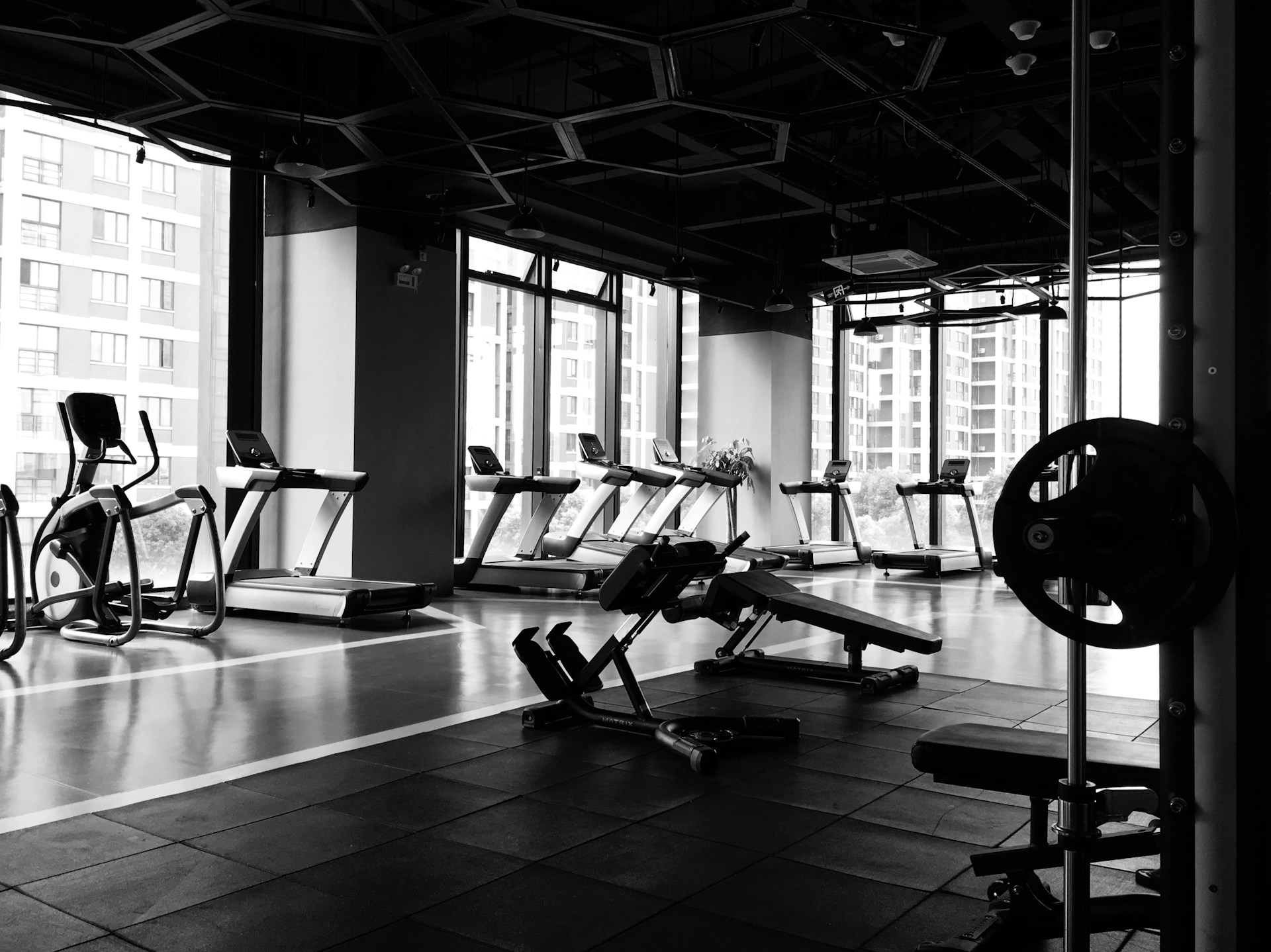
When Strength Machines Beat Free Weights Over 50
Machines usually win when stability is the limiting factor before the target muscle is trained. A lifter might have strong legs but struggle to squat deeply because of ankle mobility, balance, hip history, or low-back fatigue. In that case, a leg press, hack squat, or belt squat can load the legs more directly. The same idea applies to machine chest presses, seated rows, hamstring curls, and cable work.
The Physical Activity Guidelines for Americans recommend muscle-strengthening work at least two days per week for adults. The important part is not whether every set is done with a barbell. The important part is whether the muscles are trained through useful ranges, with enough effort, and with a plan that can be repeated.
Machines are especially useful in four situations:
- Joint irritation: handles, seats, and fixed paths can let you train around cranky shoulders, wrists, knees, or low backs.
- Hypertrophy work: machines make it easier to push sets near failure without worrying about balance.
- Fatigue management: supported exercises reduce the total coordination cost of a hard workout.
- Learning phase: a newer lifter can build confidence before using more technical free-weight variations.
If you already lift but keep stalling because every workout becomes a technique battle, read our guide to why heavier weights are not always better. Machines give you another way to keep progress moving without forcing load jumps that change the lift.
Which Machine Exercises Cover the Major Movement Patterns?
A good machine-based plan still needs the same movement patterns as any serious strength program: squat or leg press, hinge or hip extension, push, pull, single-leg work, direct hamstrings, calves if needed, and trunk stability. The mistake is treating machines like random bodybuilding accessories instead of organizing them into a full program.
Start with this menu:
- Squat pattern: leg press, hack squat, pendulum squat, or Smith machine squat.
- Hinge and glutes: hip thrust machine, cable pull-through, back extension, or Smith machine Romanian deadlift.
- Push: machine chest press, incline press, shoulder press, or cable press.
- Pull: chest-supported row, seated cable row, lat pulldown, or assisted pull-up.
- Hamstrings: seated leg curl, lying leg curl, or cable hamstring curl.
- Core: cable Pallof press, cable chop, machine crunch used carefully, or loaded carry if available.
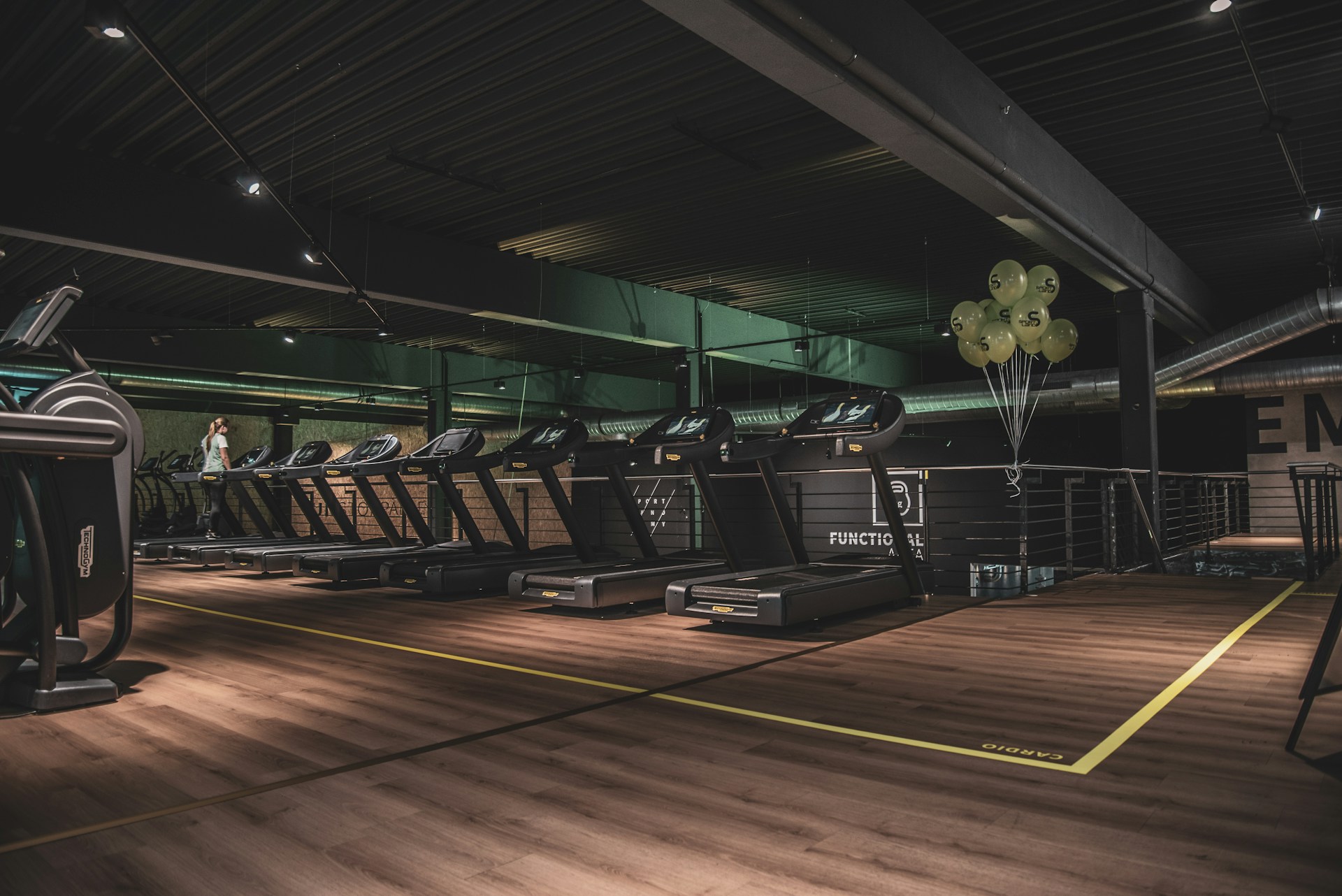
The National Institute on Aging emphasizes strength training for maintaining function, independence, and the ability to handle daily tasks (NIA). That is why the program should train patterns, not just muscles you see in the mirror. Strong quads help with stairs. Strong hips help with getting up from the floor. Strong pulling muscles help posture, carries, and shoulder health.
Machines can also make unilateral work more approachable. A split squat may be too unstable for some lifters at first, but a single-leg press can train each leg hard while balance catches up. Later, the lifter can keep the single-leg press or add supported lunges, step-ups, or split squats.
How Should Lifters Progress Machines Safely?
The best progression method for strength machines over 50 is double progression. Pick a rep range, use the same weight until every set reaches the top of that range with controlled form, then increase the load by the smallest available jump. This is simple, measurable, and easier on the joints than chasing heavier weights every session.
Example: machine chest press for 3 sets of 8-12. If you hit 11, 9, and 8, stay with the same weight. Next time, try to add one rep somewhere. When you can do 12, 12, and 12 with a steady tempo and no shoulder irritation, move the pin up one plate and rebuild from the lower end of the range.
The American College of Sports Medicine describes resistance training progression through load, volume, frequency, rest, and exercise selection (ACSM position stand). That matters because the safest answer is not always more weight. You can progress by adding clean reps, adding one set, improving range of motion, slowing the lowering phase, or reducing rest slightly on accessories.
Use effort targets instead of ego targets. Most machine sets should finish with one to three reps in reserve. Isolation exercises can occasionally go closer to failure because the risk is lower, but heavy leg presses, hack squats, and machine presses still deserve control. If pain changes your range, grip, stance, or breathing, the set is done.
A Simple Machine-Based Week for Lifters Over 50
This three-day template covers the whole body without making every session a recovery problem. Run it for six weeks before changing major exercises.
Day 1: Leg Press and Pull
- Leg press: 3 sets of 8-12.
- Chest-supported row: 3 sets of 8-12.
- Machine chest press: 3 sets of 8-12.
- Seated leg curl: 2-3 sets of 10-15.
- Cable Pallof press: 2 sets of 10-15 per side.
Day 2: Hips and Vertical Pull
- Hip thrust machine or cable pull-through: 3 sets of 8-12.
- Lat pulldown: 3 sets of 8-12.
- Machine shoulder press: 2-3 sets of 8-10.
- Single-leg press: 2 sets of 10-12 per side.
- Calf raise or carry: 2-3 sets.
Day 3: Supported Strength
- Hack squat or Smith machine squat: 3 sets of 6-10.
- Seated cable row: 3 sets of 8-12.
- Incline machine press: 3 sets of 8-12.
- Back extension or light Romanian deadlift: 2-3 sets of 8-10.
- Cable curl plus rope pressdown: 2 sets each.
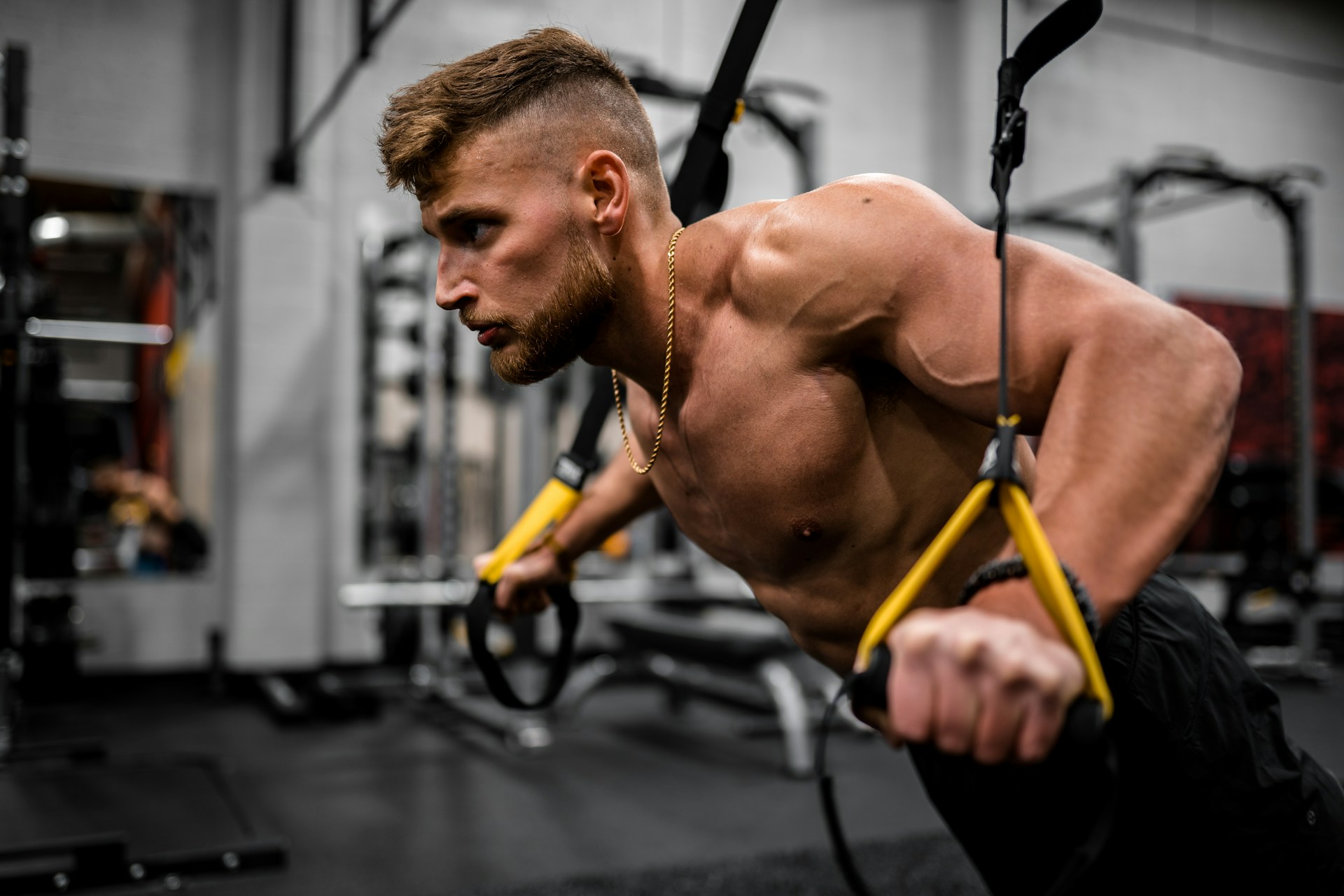
Keep one day between sessions when possible. If soreness is still high after 48 hours, reduce one set from the lift that caused it. If the plan feels too easy after two weeks and reps are climbing, add one set to the main pattern you care about most. Our midlife strength programming guide explains why recovery should drive progression, not pride.
How to Blend Machines, Free Weights, and Bands
The strongest approach is often mixed. Machines can handle high-effort muscle work. Dumbbells can train coordination and natural paths. Bands can warm up joints, add home options, and fill small gaps without adding much joint stress.
For home days or warm-ups, the Tribe Lifting resistance bands set works well for rows, pulldowns, face pulls, curls, pressdowns, and banded good mornings. The Tribe Lifting fabric bands are useful before lower-body machine work for lateral walks, glute bridges, and hip activation. If heavier free-weight squats or deadlifts remain in the program, the Tribe Lifting weight lifting belt can support bracing once technique is already solid.
Use each tool for a reason. If a dumbbell press feels better than the machine press, use it. If the machine press lets you train hard without shoulder drama, use that. The goal is not loyalty to equipment. The goal is progressive, repeatable training.
Common Mistakes With Strength Machines Over 50
The first mistake is setting the machine poorly. Seat height, back-pad angle, handle position, and foot placement change the exercise. Take the extra minute to line up joints and handles before counting work sets. If the machine does not fit your body, choose a different machine.
The second mistake is using partial reps by accident. Machines feel stable, so it is easy to load more and slowly shorten the movement. Use the same range every week. A heavier half-rep is not progress.
The third mistake is turning every machine into a failure test. Hard training matters, but so does being able to train again. If joints get louder, sleep worsens, or several lifts regress together, reduce volume before blaming age. Many lifters over 50 can train hard for decades when they stop treating every session like a comeback attempt.
Bottom Line
Strength machines over 50 are not a downgrade. They are a smart way to build muscle when stability, joints, balance, or fatigue would otherwise limit the target work. Use machines to train major movement patterns, progress reps before load, and keep effort high without letting technique fall apart.
Free weights, bands, and machines can all belong in the same plan. Choose the option that gives the clearest muscle stimulus with the least unnecessary cost, then repeat it long enough for measurable progress to happen.
Get Stronger Every Week
Join 50,000+ lifters getting evidence-based training advice in their inbox.
Frequently Asked Questions
Are strength machines better than free weights after 50?
Strength machines can be better after 50 when they let you train the target muscles harder with less balance demand, joint irritation, or low-back fatigue. Free weights are still useful, but machines are often the safer choice for high-effort muscle-building work.
Can you build muscle with machines only?
Yes. You can build muscle with machines only if the program covers the major movement patterns, uses enough hard sets, and progresses reps, load, or volume over time. The body responds to tension and effort, not to whether the resistance came from a barbell or a machine.
Which strength machines should lifters over 50 use first?
Start with leg press or hack squat, chest-supported row, lat pulldown, machine chest press, seated leg curl, hip thrust machine, and cable core work. These cover the major patterns while keeping setup and stability demands manageable.
How should older lifters progress machine exercises?
Use double progression. Pick a rep range, add clean reps until every set reaches the top of the range, then increase the weight by the smallest available jump. Keep one to three reps in reserve on most sets.
How many days per week should lifters over 50 use machines?
Most lifters over 50 do well with two to four strength sessions per week. Three full-body machine-based sessions are a strong starting point because they train each pattern often enough while leaving recovery days between workouts.


