Beginner Powerlifting Program: What to Run After Starting Strength

Direct answer: the best beginner powerlifting program after Starting Strength is usually a simple early-intermediate plan that keeps squat, bench press, and deadlift practice frequent, adds planned back-off volume, and stops expecting every lift to increase every single workout. Most lifters should move to a three or four-day program with top sets, back-off sets, manageable accessories, and a deload rule before jumping into an advanced peaking cycle.
Starting Strength and similar novice linear progressions work because beginners adapt fast. The plan is brutally clear: practice the big lifts, add small amounts of weight, eat enough, recover, and repeat. The problem is that this phase does not last forever. At some point, missed reps stop being a form issue or a bad sleep night. The stress of adding weight every session becomes too high, and the lifter needs more structure than "try again Friday."
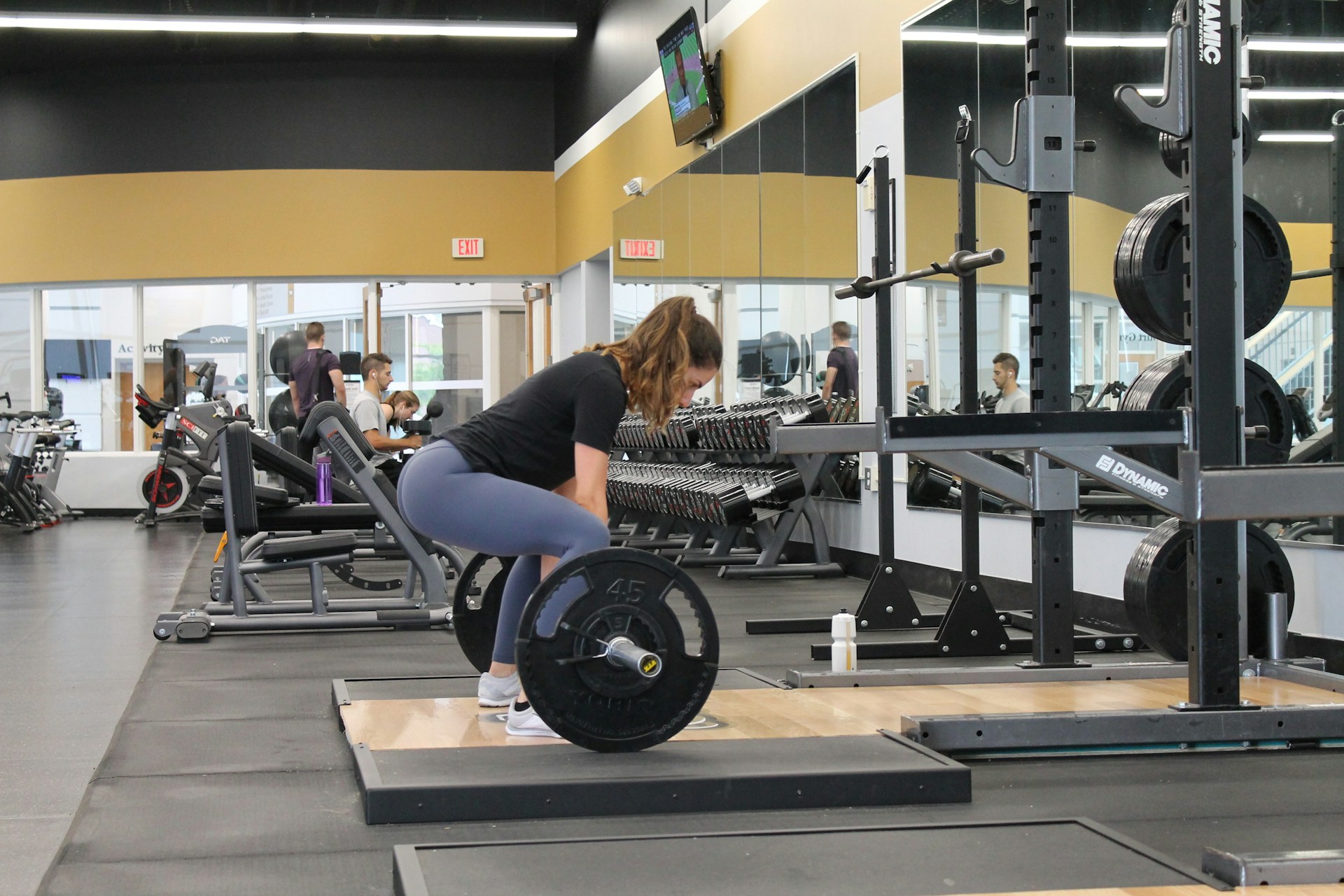
How Do You Know Starting Strength Has Run Its Course?
A novice linear progression is probably over when you have reset the same lift, rebuilt it with honest form, improved the obvious recovery problems, and still cannot add weight for more than a short run. One missed workout does not mean you need a new program. Two rough weeks can happen because of sleep, calories, stress, travel, poor warm-ups, or jumps that are too large. But repeated stalls across the same lift are data.
Use this checklist before changing programs:
- Technique is stable: squat depth, bench pauses, deadlift start position, and bracing are not changing to finish reps.
- Load jumps are reasonable: upper-body lifts are using small jumps instead of forcing five or ten pounds forever.
- Recovery is not obviously broken: sleep, calories, protein, and rest days are good enough to support training.
- Resets already happened: you reduced load, rebuilt momentum, and stalled again near the same numbers.
- The same lift fails repeatedly: the pattern repeats for two to three exposures, not one bad session.
The American College of Sports Medicine describes progression through load, volume, frequency, rest, and exercise choice. That matters here because the answer after novice progress is not always "add more weight." Sometimes the answer is more weekly practice at submaximal loads, more bench frequency, less deadlift fatigue, or better accessory volume.
If you are unsure whether your stall is real, compare it with our guide to when to add volume vs. add weight. A true plateau usually survives the easy fixes.
What Should Change After Starting Strength?
The biggest change is that progress becomes weekly instead of workout to workout. You can still get stronger quickly, but the stress has to be organized across the week. Instead of squatting heavy every session and hoping recovery catches up, an early-intermediate powerlifting program usually separates volume, technique, and intensity.
For the squat, most lifters need enough practice to keep skill sharp but not so much heavy loading that every lower-body day becomes a recovery problem. That might mean one volume squat day, one lighter variation day, and one heavier top-set day. The volume day builds muscle and pattern consistency. The variation day, such as paused squats or front squats, builds weak positions. The heavier day keeps confidence with bigger weights without turning into a max attempt.
For the bench press, frequency usually has to go up. Many beginners can squat and deadlift on low frequency because the lifts use a lot of muscle and progress fast early. Bench often needs more practice and more weekly sets. Two or three bench exposures per week is a strong default: one heavier day, one volume day, and one close-grip or paused variation day.
For the deadlift, the opposite is often true. More heavy deadlifting is not always better. Deadlifts create a large fatigue cost, especially once the weights are no longer novice. A good next program keeps one main deadlift day, adds Romanian deadlifts, rows, hamstring curls, or back extensions as needed, and avoids weekly grinding singles unless meet prep actually requires them.
Should You Choose 5/3/1, Texas Method, or Upper/Lower?
Choose the next program based on the problem you actually have. Do not choose the most famous spreadsheet. Choose the structure that solves your bottleneck while leaving room to recover.
5/3/1 is a good fit if you need slower, steadier loading and want a plan you can run for months. It works well for lifters who are past novice progress, have normal life stress, and need submaximal training that does not punish one bad day. The tradeoff is that it may feel slow if you are still early enough to progress faster.
Texas Method can work for lifters who recover well, tolerate hard volume days, and still respond to a weekly intensity day. It is simple but demanding. Many lifters fail it not because the idea is bad, but because the volume day becomes too heavy, the intensity day becomes a weekly max, and the deadlift fatigue piles up.
Upper/lower powerlifting is often the best middle ground. It gives you four training days, more bench practice, enough lower-body work, and clearer fatigue separation. It is easier to adjust than Texas Method and usually more direct for powerlifting than a general strength template.
Our guide on how to build a powerlifting program explains the larger framework: frequency, volume, intensity, and fatigue have to fit together. A beginner moving beyond Starting Strength does not need complexity. They need planned stress.
A Simple Four-Day Beginner Powerlifting Program After Starting Strength
Run this template for six to eight weeks. Start every main lift with a load you can complete cleanly with one to three reps in reserve. Add five pounds to squat and deadlift work when all sets are clean. Add two and a half to five pounds to bench only when bar path and pauses stay consistent. If the smallest available jump is too large, build reps first.
Day 1: Squat Volume and Bench Volume
- Squat: 4 sets of 5 at a repeatable volume load.
- Bench press: 4 sets of 6.
- Barbell row or chest-supported row: 4 sets of 8-10.
- Split squat or leg press: 2-3 sets of 8-12.
- Plank or Pallof press: 2-3 sets.
Day 2: Deadlift and Bench Technique
- Deadlift: 3 sets of 3, or 1 top set of 5 plus 2 lighter back-off sets.
- Paused bench press: 3 sets of 5.
- Romanian deadlift: 2-3 sets of 6-8.
- Lat pulldown or assisted pull-up: 3-4 sets of 8-12.
- Hamstring curl: 2 sets of 10-15.
Day 3: Bench Intensity and Squat Variation
- Bench press: 1 smooth top set of 3-5, then 3 back-off sets of 5.
- Paused squat or front squat: 3 sets of 4-6.
- Close-grip bench press: 3 sets of 6-8.
- Seated row: 3 sets of 8-12.
- Rear delts or face pulls: 2-3 sets of 15-20.
Day 4: Squat Intensity and Deadlift Accessories
- Squat: 1 smooth top set of 3-5, then 3 back-off sets of 5.
- Deadlift variation, such as paused deadlift or deficit deadlift: 2-3 sets of 3-5.
- Overhead press: 3 sets of 6-8.
- Back extension or hip thrust: 3 sets of 8-12.
- Curl or triceps pressdown: 2 sets if recovery is good.
This is not a peaking plan. It is a bridge from novice training to real powerlifting structure. The goal is to leave the gym with enough successful practice that next week can be better. The National Strength and Conditioning Association describes periodization as planned variation in training stress. This template uses that idea without burying a beginner in complicated waves.
Which Accessories and Equipment Actually Help?
Accessories should solve weak points, build muscle around the competition lifts, and support positions you need under the bar. Rows, pulldowns, hamstring work, single-leg work, rear delts, triceps, and trunk stability belong in most beginner powerlifting programs. Ten random bodybuilding exercises do not.
Equipment should also have a job. A belt can help a lifter brace harder on heavy squats and deadlifts after they already understand breathing and trunk pressure. Wrist wraps can make bench and overhead press positions more consistent. Lifting straps can help Romanian deadlifts and rows train the posterior chain when grip is not the target. For that role, the Tribe Lifting weight lifting belt, Tribe Lifting wrist wraps, and Tribe Lifting lifting straps fit naturally into heavy barbell training.
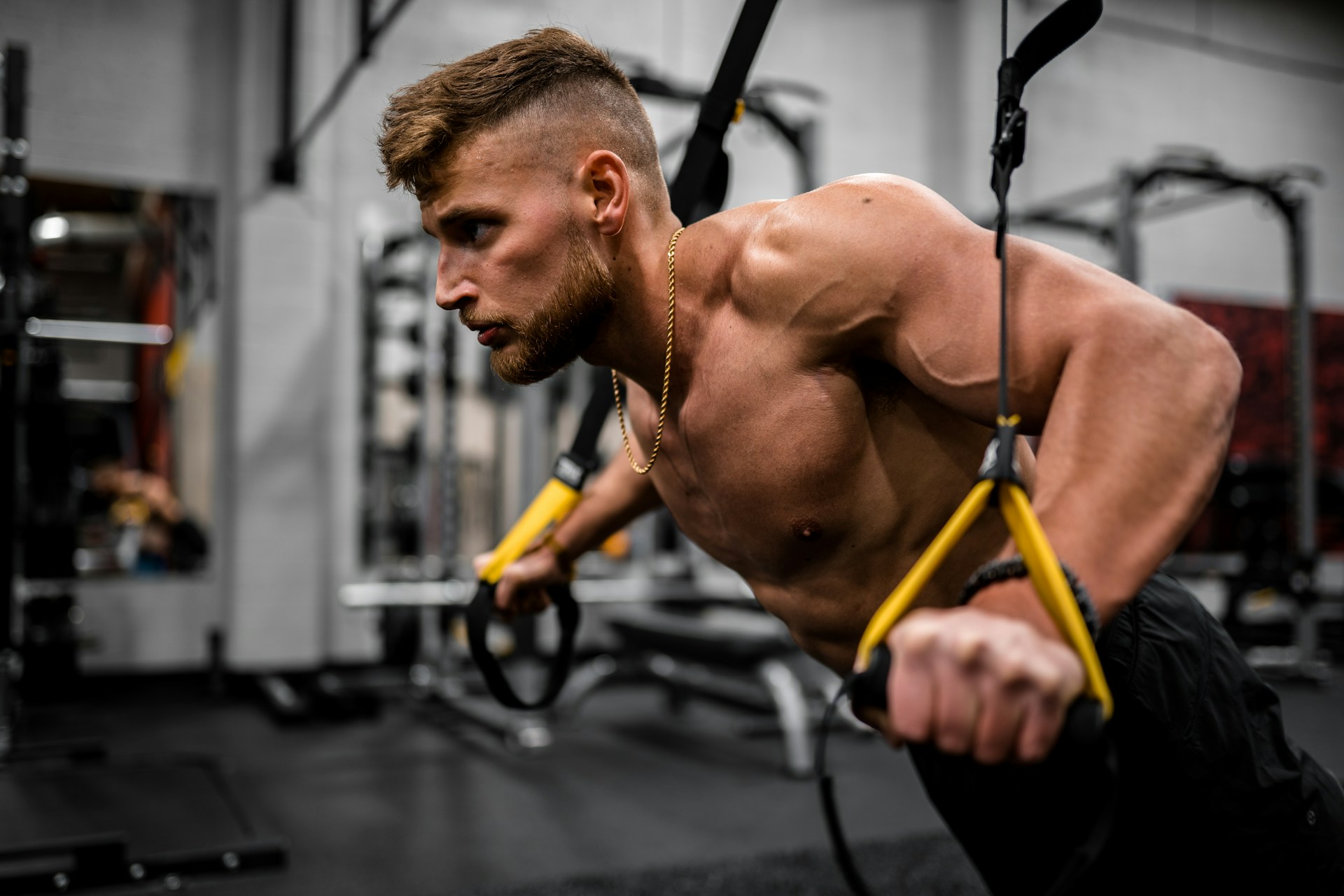
Resistance bands are useful too, especially for warm-ups, face pulls, pressdowns, rows, and travel sessions. The Tribe Lifting resistance bands set is a practical option for lifters who want simple accessory work outside the gym. Bands will not replace the competition lifts, but they can add low-cost upper-back and triceps volume without loading the spine.
Common Mistakes After Starting Strength
The first mistake is changing programs too early. If your squat stalled because you slept five hours, skipped meals, and took ten-pound jumps, the program did not fail. Your execution did. Fix the obvious problems before replacing the plan.
The second mistake is choosing an advanced program because it looks serious. Advanced plans assume the lifter can handle more moving parts, estimate effort honestly, and recover from heavier training stress. A beginner leaving linear progression needs less chaos, not more.
The third mistake is maxing too often. Testing strength feels productive because the number is clear. Building strength is quieter. Most weeks should be made of hard but repeatable sets. Use smooth top sets for practice, not weekly survival attempts.
The fourth mistake is ignoring body weight and protein. Powerlifting progress does not require reckless bulking, but staying underfed while asking squat, bench, and deadlift to climb every month is a hard bargain. The International Society of Sports Nutrition position stand notes that resistance-trained athletes commonly benefit from higher protein intakes than the basic RDA, especially when trying to build or retain lean mass (ISSN, PubMed).
Bottom Line
A beginner powerlifting program after Starting Strength should keep the useful simplicity of novice training while adding the structure needed for slower progress. Move from workout-to-workout loading to weekly progress. Bench more often. Squat with planned volume and intensity. Deadlift hard enough to improve, but not so much that it wrecks the rest of the week.
Choose 5/3/1 if you need slower sustainable loading, Texas Method if you tolerate hard weekly stress, and upper/lower powerlifting if you want the most flexible next step. Whatever you choose, judge it by clean reps, recoverable volume, and steady performance - not by how punishing the spreadsheet looks.
Get Stronger Every Week
Join 50,000+ lifters getting evidence-based training advice in their inbox.
Frequently Asked Questions
What is the best beginner powerlifting program after Starting Strength?
For most lifters, the best next step is a simple three or four-day early-intermediate powerlifting program with planned squat, bench, and deadlift volume, top sets, back-off sets, and clear deload rules. Upper/lower powerlifting is often the most flexible choice.
How do I know novice linear progression is over?
It is likely over when you have fixed technique, recovery, and load jumps, reset the lift, rebuilt momentum, and still stall again near the same weights for two or three exposures. One bad workout is not enough evidence.
Should beginners choose 5/3/1 or Texas Method?
Choose 5/3/1 if you need slower, sustainable progress with lower weekly pressure. Choose Texas Method only if you recover well and can handle demanding volume days. Many post-novice lifters do best with a four-day upper/lower powerlifting template.
How often should a beginner powerlifter bench press?
Most beginner powerlifters should bench two or three times per week after the novice phase. Bench usually benefits from more practice and weekly volume than it gets in a basic three-lift novice plan.
Should beginner powerlifters max out every week?
No. Beginner powerlifters should build strength with repeatable hard sets and occasional smooth top sets, not weekly true maxes. Maxing too often creates fatigue and teaches bad technique under pressure.


