The 2-Hour Strength Training Plan: How to Program the New Longevity Sweet Spot

Direct answer: the best 2 hour strength training plan is two to three focused sessions per week that cover squat, hinge, push, pull, carry, and core patterns without wasting time on junk volume. For most lifters, 90-120 weekly minutes is enough to build strength, preserve muscle, support longevity, and recover well if the plan uses compound lifts first, moderate effort, small progressions, and simple accessory work.
The reason this topic matters now is not hype. A 2026 analysis in the British Journal of Sports Medicine reported that 90-120 minutes of weekly resistance training was associated with lower all-cause, cardiovascular, and neurological mortality risk, with benefits amplified when aerobic activity was also present (Zhang et al.). That does not mean exactly 119 minutes is magic. It means the useful target is small enough for real people to schedule and large enough to train the whole body well.

What the 2-Hour Strength Training Plan Means
A 2 hour strength training plan is not two hours of nonstop lifting. It is the total weekly time spent on warm-ups, work sets, rest periods, and quick transitions. You can split it into two 60-minute sessions, three 40-minute sessions, or four 30-minute sessions if shorter workouts fit your week better.
The public-health floor is lower than that. The Physical Activity Guidelines for Americans recommend muscle-strengthening activity on two or more days per week, plus aerobic activity (U.S. HHS). The new longevity discussion gives lifters a more useful programming target: enough strength work to train every major pattern, but not so much that recovery, joints, and consistency fall apart.
If you already train hard for bodybuilding or powerlifting, this article is not arguing that two hours is your ceiling. It is a minimum-effective-dose template for general strength, health, and long-term consistency. For more aggressive progression, use our progressive overload guide after this base is stable.
The Weekly Template
The cleanest setup is two full-body sessions. Each workout hits the whole body, but one day leans squat and push while the other leans hinge and pull. Rest at least one day between them when possible.
Day 1: Squat, Push, Pull
- Squat or leg press: 3 sets of 5-8
- Bench press or push-up: 3 sets of 6-10
- Row variation: 3 sets of 8-12
- Romanian deadlift: 2 sets of 8-10
- Carry, plank, or dead bug: 2 sets
Day 2: Hinge, Pull, Push
- Deadlift variation or hip thrust: 3 sets of 4-8
- Pull-up, pulldown, or band pulldown: 3 sets of 6-12
- Overhead press or incline dumbbell press: 3 sets of 6-10
- Split squat or lunge: 2 sets of 8-12 per side
- Curl, triceps pressdown, or lateral raise: 2 sets of 10-15
Keep warm-ups short and specific. Five minutes of easy movement, two or three ramp-up sets for the first big lift, then get to work. The goal is not to turn strength training into a cardio circuit. The goal is to spend the limited time on exercises that create the most useful adaptation.
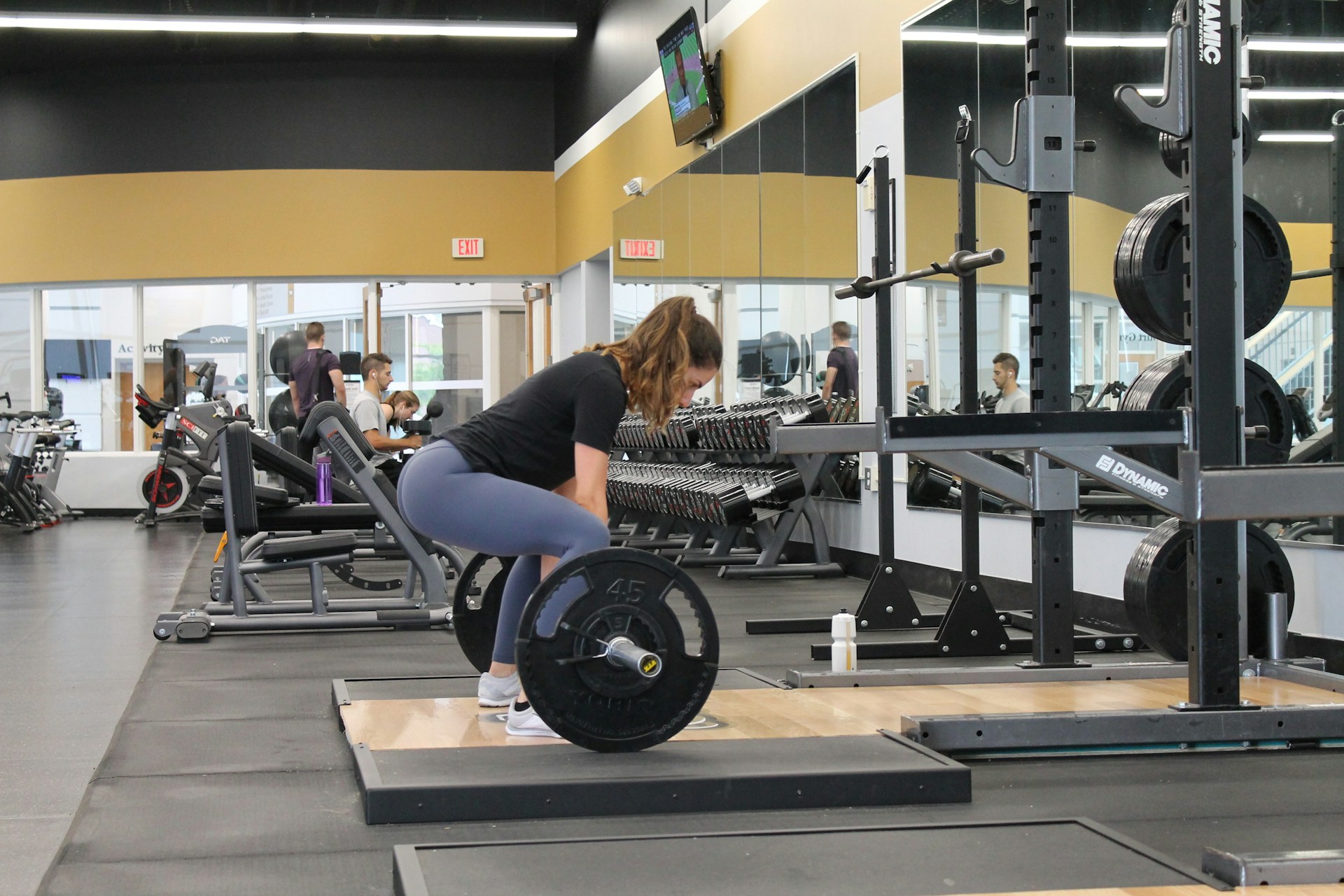
Prioritize the Lifts That Pay You Back
When time is limited, exercise selection matters more. Start with movements that train a lot of muscle, build usable strength, and are easy to progress. Squats, hinges, presses, rows, pull-ups, lunges, carries, and core stability work beat a long list of tiny isolation exercises for this goal.
That does not mean every lifter needs the exact same barbell lifts. A trap-bar deadlift can be better than a straight-bar deadlift for someone with cranky hips. A dumbbell bench can be better than a barbell bench for shoulders that need more freedom. A leg press can be the right squat pattern if balance or mobility is the limiter. The pattern matters more than the bravado.
The American College of Sports Medicine describes resistance training progression through load, volume, frequency, rest, and exercise selection (ACSM position stand). In a two-hour week, the best exercise is the one you can perform safely, load gradually, and repeat for months.
If your main goal is powerlifting, move from this base into our guide on how to build a powerlifting program. If your main goal is muscle, keep the same structure but use slightly higher rep ranges and more accessory volume for lagging areas.
Volume for Beginners, Intermediates, and Older Adults
Beginners should use fewer hard sets and more technical practice. Two sets per exercise is enough for the first two weeks if soreness is high. Stay two to four reps away from failure, repeat the same lifts, and learn what clean reps feel like.
Intermediate lifters can use the template as written: 8-12 meaningful work sets per session, most sets one to three reps in reserve, and small progressions when all target reps are hit. That is enough work to maintain or build strength for many busy lifters.
Older adults should keep the same movement patterns but use friendlier variations, slightly higher reps, and more control. Machines, dumbbells, bands, and elevated push-ups all count. The National Institute on Aging recommends strength exercises as part of healthy aging because they support everyday function, balance, and independence (NIA).
The rule is simple: leave the gym feeling like you trained, not like you survived. If soreness lasts more than 72 hours, reduce sets. If every session feels easy and performance is climbing, add one set to the most important pattern.
How to Progress Without Expanding the Week
The biggest mistake with a two-hour plan is trying to solve every stall by adding more exercises. Progress inside the time cap first. Add reps before load. Add load only after every set reaches the top of the rep range with clean form. Add sets only if the lift has been flat for several weeks and recovery is normal.
Use double progression. If the bench press target is 3 sets of 6-10, keep the same load until you can complete all three sets near 10 reps with stable technique. Then add the smallest practical amount of weight and rebuild from the lower end. This keeps the plan measurable without turning every workout into a max test.
Rest enough to keep quality high: two to three minutes for heavy compound lifts, 60-120 seconds for accessories, and shorter rests only when reps stay clean. If shortening rest makes your squat collapse, you did not make the workout better. You just made it noisier.
Track only what matters: exercise, load, reps, sets, and one quick note on effort or joint comfort. Our guide to tracking training volume gives a deeper system if you want more detail.
Where Bands and Support Gear Fit
Bands are useful in a 2 hour strength training plan because they add pulling, warm-up, and accessory options without taking over the workout. Rows, face pulls, curls, triceps pressdowns, glute bridges, and lateral walks fit neatly at the end of sessions or on travel weeks. The Tribe Lifting resistance bands set is a practical option for full-body band work, while the fabric resistance bands fit lower-body warm-ups and glute accessories.
Support gear belongs where it improves the target lift. A belt can help heavy squats and deadlifts, wrist wraps can support pressing, and straps can keep grip from limiting rows or Romanian deadlifts. The Tribe Lifting weight lifting belt, wrist wraps, and lifting straps make sense once the main lifts are heavy enough to need them. They should support good training, not hide bad technique.

Bottom Line
The 2 hour strength training plan works because it respects the two things most lifters actually need: enough stimulus and enough recovery. Train the big patterns twice per week, keep most sets one to three reps from failure, progress one variable at a time, and leave room for walking, cycling, sports, or other aerobic work.
You do not need a heroic schedule to get stronger for life. You need a repeatable week. Two focused hours, done consistently, beats the perfect six-day plan that disappears every time work, sleep, travel, or soreness gets in the way.
Get Stronger Every Week
Join 50,000+ lifters getting evidence-based training advice in their inbox.
Frequently Asked Questions
Is 2 hours of strength training per week enough?
Yes, two focused weekly hours can be enough for general strength, muscle maintenance, and longevity when the plan trains the whole body with compound lifts, moderate effort, and consistent progression.
Should I split 2 hours into two or three workouts?
Two 60-minute full-body sessions are simplest. Three 40-minute sessions also work well if shorter workouts fit your schedule better and you can recover between them.
What lifts should come first in a 2 hour strength training plan?
Put squat, hinge, push, and pull patterns first. Use accessories only after the main work is done, and keep them focused on weak points or joint-friendly volume.
Can older adults use this plan?
Yes. Older adults can use the same movement patterns with machines, dumbbells, bands, elevated push-ups, controlled reps, and slightly more conservative effort targets.
How do I progress if I cannot add more training time?
Add reps first, then small load increases after all sets reach the top of the target range. Add sets only when recovery is good and a lift has been flat for several weeks.


