The Power Training Method: How to Train for Muscle, Speed, and Longevity

Direct answer: the power training method uses fast, high-quality reps to train how quickly you can produce force. Strength training asks, "How much force can you create?" Power training asks, "How quickly can you express it?" The safest way to use it is to place a few explosive sets near the start of two or three workouts per week, keep reps low, stop before speed drops, and choose exercises that match your joints, training age, and equipment.
Power is not only for athletes. It is the quality behind jumping, sprinting, catching yourself when you trip, climbing stairs quickly, and moving heavy objects without feeling slow. Muscle matters. Strength matters. But if every rep you train is slow and grinding, you leave a useful part of performance untouched. The goal is not to replace strength work. The goal is to add enough speed practice that your strength becomes more usable.
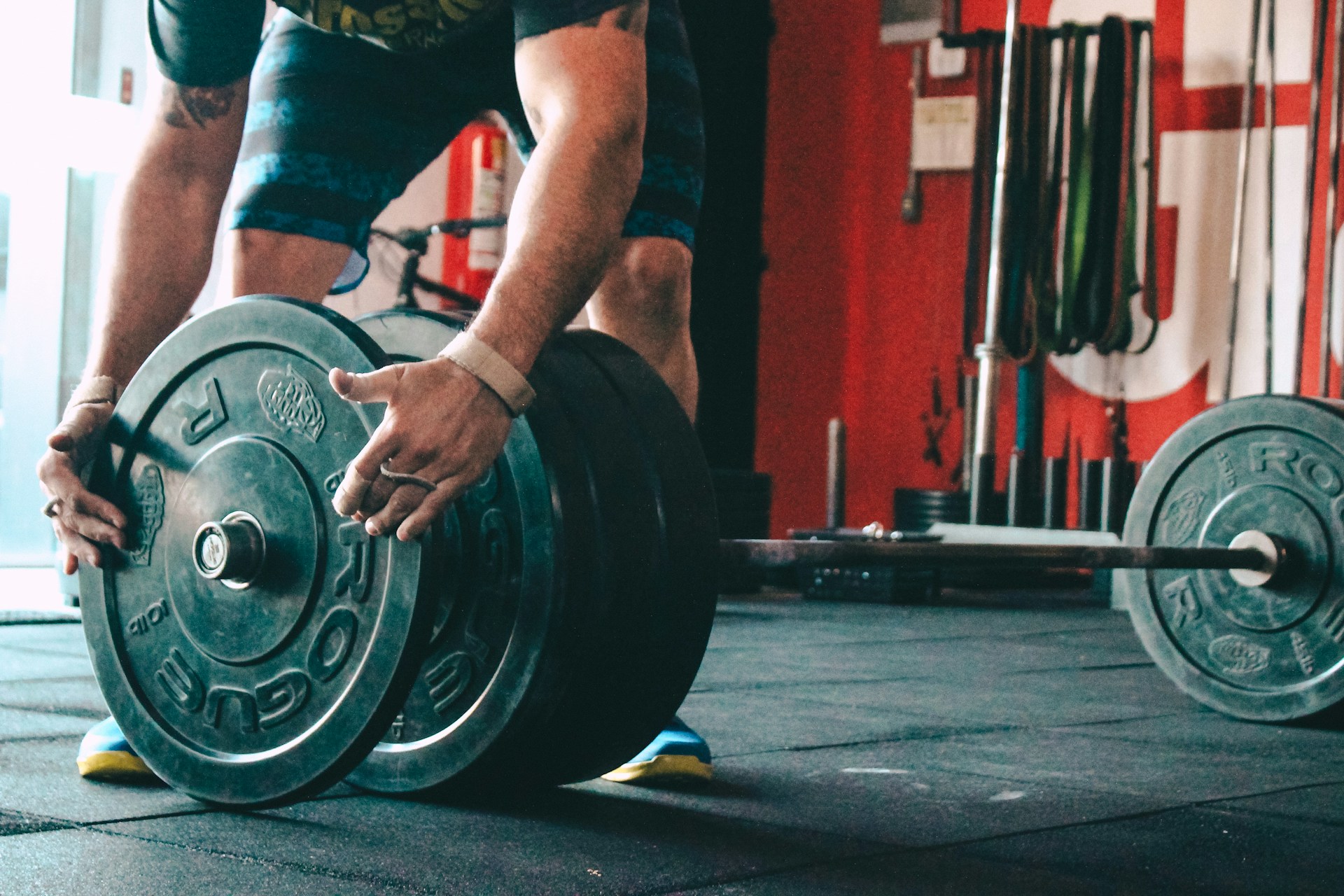
What Is the Power Training Method?
The power training method is a simple framework: pick an explosive pattern, perform a small number of fast reps, rest long enough to keep quality high, then move into normal strength training. A set ends when speed, landing control, posture, or coordination drops. That is the opposite of most conditioning circuits, where fatigue is often the point.
Power is force multiplied by velocity. You can build the force side with squats, deadlifts, presses, rows, and heavy carries. You build the velocity side with jumps, throws, swings, light explosive lifts, and band-resisted movements. A complete program does not need dozens of drills. It needs a few safe exercises performed with intent.
The National Strength and Conditioning Association describes power as a key performance quality that depends on both strength and speed (NSCA). For regular lifters, that means heavy work and fast work should support each other. If you only chase heavier weights, you may get stronger but slower. If you only jump and throw without building strength, the ceiling stays low.
If your current plan is mostly slow lifting, start by reading our guide to strength training for beginners. Power training works best when basic movement patterns are already controlled.
Why Power Training Matters for Muscle, Speed, and Longevity
Power tends to decline faster than basic strength as people age. That matters because many everyday tasks are time-sensitive. Getting out of a chair, recovering from a stumble, stepping over an obstacle, or carrying something upstairs is not only about maximum strength. It is also about producing force quickly enough to solve the problem in real time.
The National Institute on Aging specifically includes strength and power exercises in guidance for older adults because they support daily function and independence (NIA). You do not need to wait until you are older to care. Building power earlier gives you more reserve later.
Power work can also make muscle-building programs better. Low-volume explosive work wakes up intent, improves coordination, and gives lifters a reason to move with purpose before heavier sets. It should not create so much fatigue that it steals from the main workout. Think of it as a primer and a long-term athleticism investment, not a second workout hiding inside the first one.

The Safest Power Exercises for Beginners and Older Lifters
The safest power exercises are the ones that let you move fast without forcing complex landings, heavy catches, or high joint stress. Beginners do not need Olympic lifts on day one. Most lifters can get excellent results from jumps, throws, lighter swings, step-ups, sled pushes, and band movements.
Start with these options:
- Lower body: box jump to a low box, squat jump, fast step-up, kettlebell swing, or light sled push.
- Upper body: medicine ball chest pass, medicine ball slam, explosive push-up to an elevated surface, or band punch.
- Hip hinge: light kettlebell swing, band-resisted hinge, or broad jump only if landing mechanics are solid.
- Core and rotation: medicine ball scoop toss, cable lift, cable chop, or banded rotational press.
Older lifters or joint-sensitive beginners should choose low-impact options first. A fast sit-to-stand, explosive step-up, light medicine ball chest pass, or band row performed quickly can train intent without the same landing stress as repeated jumps. The movement should feel crisp and repeatable. If the drill makes you nervous, choose a simpler one.
A practical rule: if you cannot land quietly, brace calmly, or repeat the same position, the drill is too advanced for today. Power training rewards patience because the adaptation comes from clean speed, not chaos.
How Many Weekly Power Sets Are Enough?
Most lifters only need 6-15 total power sets per week. That is less than people expect. Power work is neurologically demanding, so quality matters more than volume. A beginner might use two exercises per week for three sets each. An intermediate lifter might use one explosive drill at the start of three workouts.
Use this simple weekly setup:
- Two-day plan: 3 sets of jumps on Day 1 and 3 sets of medicine ball throws on Day 2.
- Three-day plan: lower-body power on Day 1, upper-body power on Day 2, hinge or rotational power on Day 3.
- Four-day plan: use power on two or three days only, not every session.
Keep reps low. Jumps often work best for 2-5 reps per set. Throws work well for 3-6 reps. Swings can run 5-10 reps if technique stays sharp. Rest 60-120 seconds between sets, longer if the movement is demanding. If the third set is visibly slower than the first, stop there.
This pairs well with our guide to the strength training sweet spot for longevity. You do not need marathon sessions. You need enough high-quality work, repeated consistently, with recovery still intact.

How to Progress Power Training Without Making It Sloppy
Progress power training by improving speed, control, or exercise difficulty before adding fatigue. This is different from normal hypertrophy training. More reps are not always better. A set of 20 tired jumps is usually worse than three sets of three crisp jumps.
Use this progression order:
- First: make every rep look the same.
- Second: move slightly faster with the same drill.
- Third: add one set if recovery is easy.
- Fourth: use a slightly harder variation.
- Last: add load only when speed stays high.
For example, a beginner could start with low box jumps for 3 sets of 3. Once landings are quiet and consistent, they might increase box height slightly, switch to squat jumps, or add a fourth set. They should not turn it into 10-minute jump conditioning. The training quality would change.
The same logic applies to medicine ball throws. Start with a light ball that moves fast. If the ball is too heavy, the throw becomes a slow press. If the ball is too light, it may not teach enough force. Choose the load that lets you attack the rep while keeping the body organized.
If you like structured progression, use the same discipline described in our guide to progressive overload without adding weight every workout. The difference is that power progression protects speed first.
Equipment That Helps Without Overcomplicating Training
You can train power with bodyweight, a medicine ball, light kettlebell, bands, sled, cable machine, or dumbbells. For home training, bands are useful because they let you practice fast rows, punches, pressdowns, rotational presses, and resisted hip hinges without needing a full gym.
The Tribe Lifting resistance bands set fits fast rows, assisted pull-up speed work, banded good mornings, and rotational presses. For lower-body warm-ups before jumps or squats, the Tribe Lifting fabric bands are useful for lateral walks, glute bridges, and hip activation. Support gear such as a belt or wrist wraps can help heavy strength work later, but power drills should still feel athletic and controlled.
Recovery is non-negotiable. Place power work early in the session, after a warm-up but before heavy lifting. Avoid high-impact power drills when sleep is poor, joints are irritated, or soreness changes your mechanics. The goal is to feel faster over time, not to collect more fatigue.
Bottom Line
The power training method is strength training with speed kept alive. Use a few explosive drills, keep reps low, stop before quality fades, and build the rest of the workout around normal strength and muscle-building work. Beginners and older lifters should start with low-impact options and earn harder drills gradually.
Two or three short power exposures per week are enough for most lifters. If the reps are fast, controlled, and recoverable, you are doing it right. Build strength, practice speed, and let both qualities support a body that feels capable for decades.
Get Stronger Every Week
Join 50,000+ lifters getting evidence-based training advice in their inbox.
Frequently Asked Questions
What is the power training method?
The power training method uses low-rep explosive exercises to train force quickly. It usually goes near the start of a workout before heavier strength training, with sets stopped before speed or coordination drops.
What makes power training different from strength training?
Strength training focuses on how much force you can produce. Power training focuses on how quickly you can produce force. A complete program usually includes both qualities.
Which power exercises are safest for beginners?
Safe beginner options include low box jumps, fast step-ups, medicine ball chest passes, medicine ball slams, light kettlebell swings, sled pushes, and band-resisted rows or presses.
How many weekly power sets are enough?
Most lifters do well with 6-15 total power sets per week. Start with two or three exercises across the week, use low reps, rest enough to keep speed high, and stop when quality fades.
Is power training good for longevity?
Yes. Power training can support balance, fast force production, and everyday function, especially when paired with regular strength training and adjusted for joint tolerance and recovery.


