Powerlifting Program for Beginners: How to Train Without Competing

Direct answer: a powerlifting program for beginners can work even if you never plan to compete. Train the squat, bench press, and deadlift two to four days per week, keep most work submaximal, add small amounts of weight or reps when technique is stable, and use accessories to build muscle around the main lifts. You do not need a meet date to benefit from powerlifting-style training. You need a clear structure, repeatable progress, and enough recovery to keep showing up.
A lot of lifters like the idea of powerlifting but feel stuck between two extremes. On one side, basic beginner plans stop working once easy linear progression slows down. On the other side, meet-prep templates look too specific, too heavy, or too intimidating. The useful middle ground is simple: train like the squat, bench, and deadlift matter, but do not organize your life around a competition you do not want.
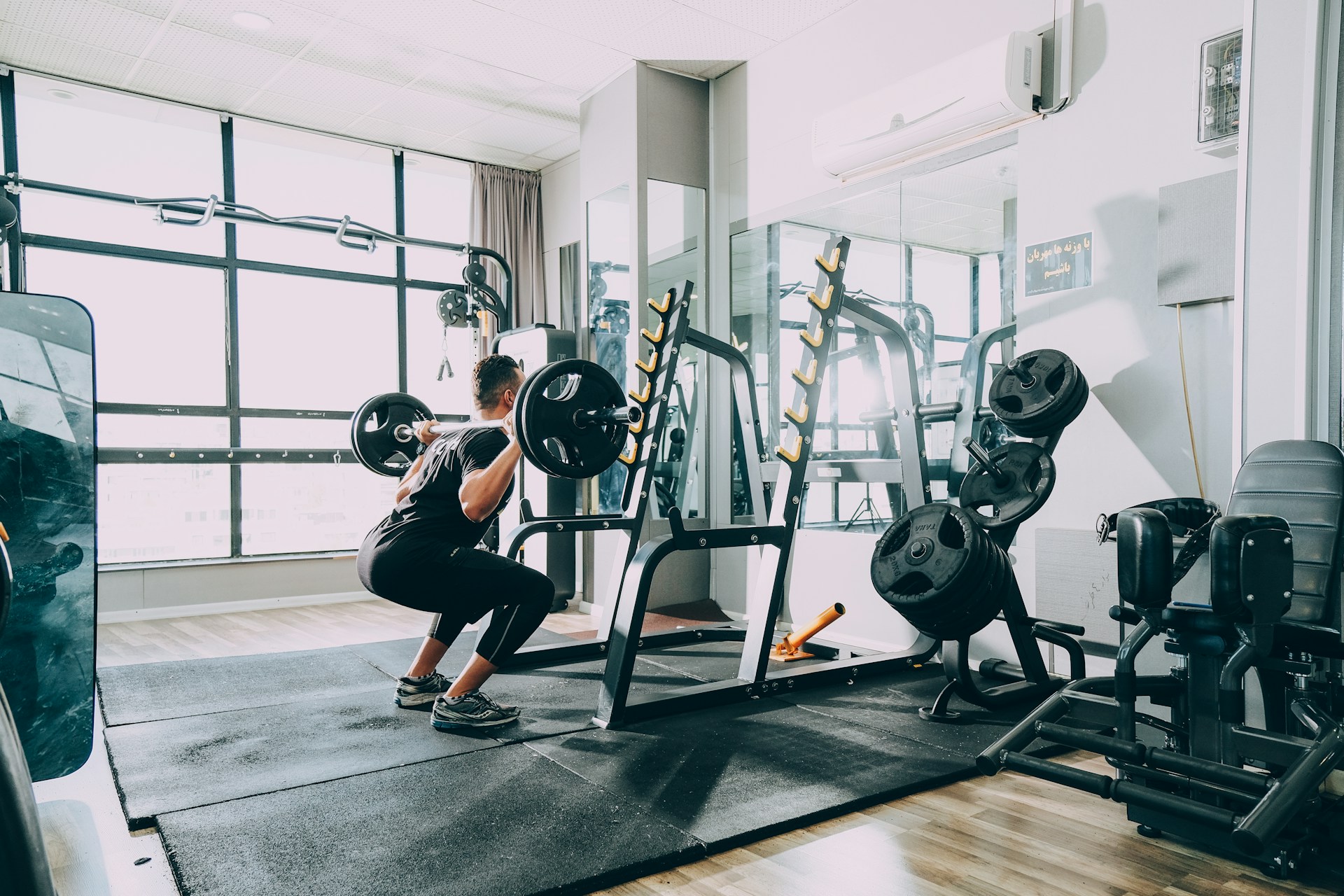
What Powerlifting Training Means If You Are Not Competing
Powerlifting training means your program is built around improving the squat, bench press, and deadlift. Competing adds rules, commands, attempts, weight classes, and meet-day strategy. Training does not require all of that. A non-competitive lifter can still use the same big idea: practice the main lifts often enough to improve, build the muscles that support them, and manage fatigue instead of testing maxes every week.
The American College of Sports Medicine describes resistance training progression through load, volume, frequency, rest periods, exercise choice, and exercise order (ACSM position stand). That is exactly why a powerlifting-style plan is useful. It gives you a few important lifts to measure while leaving room to adjust volume, accessories, and recovery.
The mistake is thinking "powerlifting" means every session has to be maximal. It does not. Most productive strength work happens below true max effort. You should leave one to three reps in reserve on most working sets, especially as a beginner or early intermediate. Heavy singles can be useful later, but they should feel like practice, not survival.
If you are coming from Starting Strength, StrongLifts, or another novice plan, read our guide on what to do when linear progression stops. The goal is not to abandon simple training. The goal is to stop demanding session-to-session progress after your body has outgrown that phase.
Who This Program Fits
This style fits lifters who want stronger barbell lifts, like measurable progress, and can train three or four days per week. It is especially useful if your squat and deadlift are still moving but your bench has stalled, or if bodybuilding-style workouts leave you unsure whether your actual strength is improving.
You do not need elite numbers to start. You do need basic technique, honest range of motion, and the maturity to stop sets before form falls apart. If you are still learning how to squat to consistent depth, brace on deadlifts, or keep your shoulders stable on bench, spend the first few weeks treating every working set like skill practice.
Use this plan if you want:
- More structure than a general strength routine
- More muscle-building work than a minimalist novice program
- Clear progression on squat, bench, deadlift, rows, and accessories
- Strength training without a meet date, peaking block, or weight-class pressure
If you already know you want to compete soon, use our broader guide on how to build a powerlifting program. The template below is for lifters who want the training benefits first.
A Four-Day Powerlifting Program for Beginners
Four days works well because it gives the squat, bench, and deadlift enough attention without turning each session into a marathon. Bench usually benefits from more frequency, squat needs enough practice to keep technique sharp, and deadlift needs enough respect for its fatigue cost.
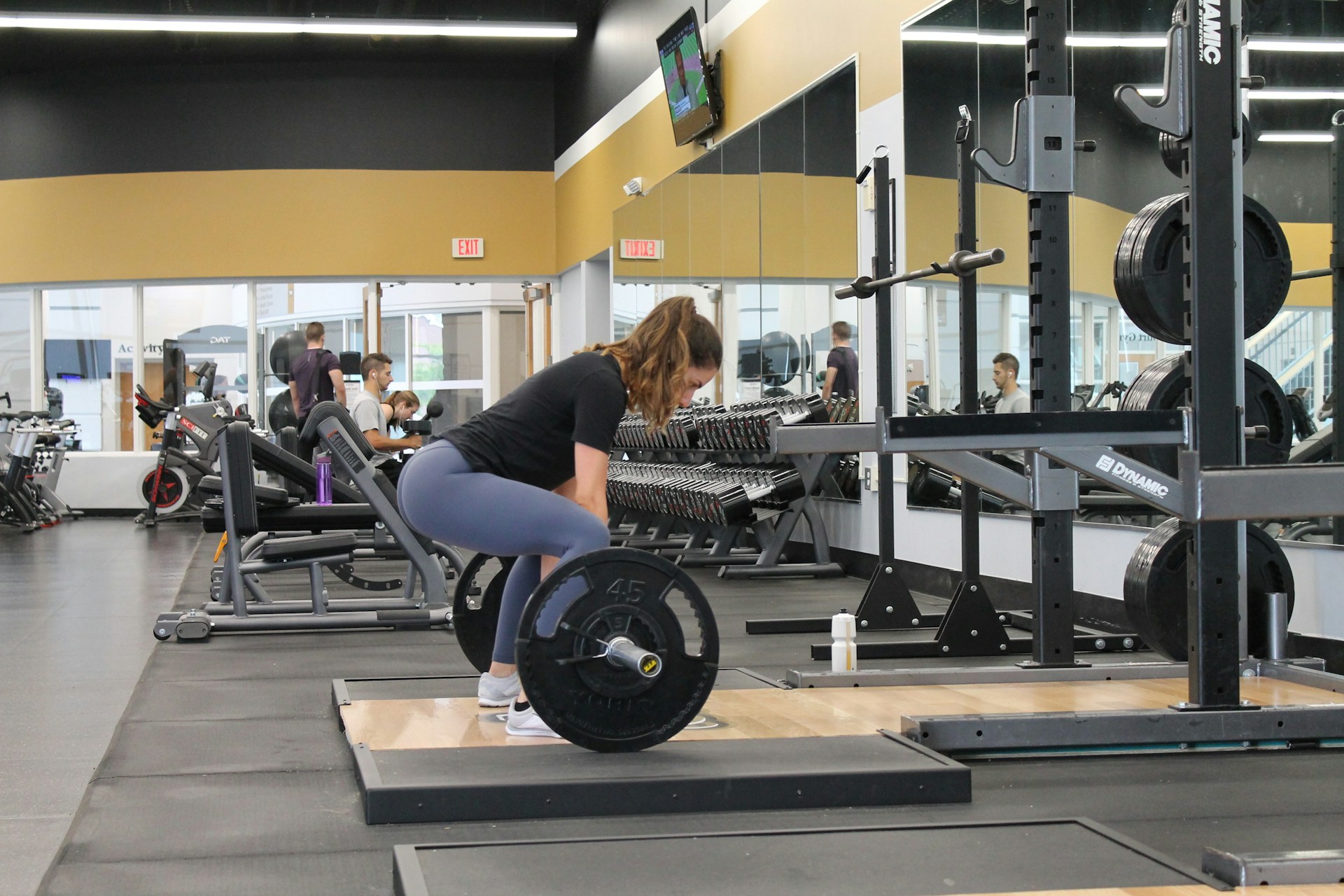
Day 1: Squat and Bench Volume
- Squat: 3-4 sets of 5 at a weight you could lift for 7 reps
- Bench press: 4 sets of 6 at a controlled effort
- Row: 3-4 sets of 8-12
- Split squat or leg press: 2-3 sets of 8-10
Day 2: Deadlift and Upper Back
- Deadlift: 3 sets of 3-5, no grinding
- Paused bench press: 3 sets of 5
- Romanian deadlift: 2-3 sets of 6-8
- Lat pulldown or assisted pull-up: 3 sets of 8-12
Day 3: Bench Practice and Squat Variation
- Bench press: 1 smooth set of 3, then 3 sets of 5 with less weight
- Paused squat or front squat: 3 sets of 4-6
- Close-grip bench: 3 sets of 6-8
- Face pulls or rear delts: 3 sets of 15-20
Day 4: Squat Intensity and Accessories
- Squat: 1 smooth set of 3, then 3 sets of 4-5 with less weight
- Deadlift variation or hip hinge: 2-3 sets of 5-8
- Overhead press: 3 sets of 6-8
- Hamstring curl, curl, or triceps work: 2-3 sets of 10-15
Run the template for at least four weeks before making major changes. Swap exercises only when the swap solves a real problem. A paused squat teaches control out of the bottom. A close-grip bench adds triceps work. Rows and pulldowns build the upper back that keeps bench and deadlift positions stable.
How to Progress Without Maxing Out
Progress the main lifts with small, repeatable steps. If you complete all prescribed sets with stable technique and at least one rep in reserve, add five pounds next week on squat or deadlift and 2.5 to five pounds on bench. If the jump is too large, keep the same load and add one rep across the work sets.
This is where beginners often go wrong. A missed rep is not proof that you are hardcore. It is data that the jump was too aggressive, recovery was poor, or the setup needs work. Research on perceived exertion in resistance training supports using RPE and reps in reserve to adjust load when readiness changes (Helms et al.). If warm-ups feel slow, reduce the day before the workout turns into junk volume.
Use a simple rule for each lift:
- Green light: all reps clean, normal recovery, no joint irritation. Add a small amount of weight.
- Yellow light: reps complete but slow, technique slightly worse, or sleep poor. Repeat the weight.
- Red light: missed reps, pain changes form, or several lifts regress. Reduce volume or deload.
For accessories, use double progression. Pick a rep range like 8-12. Add reps until every set reaches the top of the range, then add weight and rebuild from the lower end. Our guide to double progression for muscle growth gives the full setup.
How to Fix a Stuck Bench While Squat and Deadlift Keep Moving
A stuck bench is common because upper-body lifts use smaller muscle groups and smaller absolute jumps. If squat and deadlift keep moving while bench stalls, do not assume the whole program is broken. Fix the bench specifically.
Start with frequency. Bench two to three times per week using different stresses: one volume day, one paused or technique day, and one heavier practice day. Then check upper-back work. Rows, pulldowns, face pulls, and rear-delt work help you keep a tighter setup and more stable press. Finally, add triceps work if lockout is the issue. Close-grip bench, dips if shoulders tolerate them, and pressdowns can all help.
Do not max out more often just because bench is frustrating. Higher training volume can support hypertrophy when recovery is adequate (Schoenfeld et al.), but that means productive sets, not random punishment. Add two to four weekly sets for the muscles limiting the lift and watch the next four weeks.
Equipment and Recovery
Beginner powerlifting does not require a huge gear bag. Shoes with stable soles, a notebook or app, and consistent technique matter more than accessories. Once loads get heavier, a few tools can make training more consistent.
A belt can help you brace on hard squat and deadlift sets once you already know how to breathe and create trunk pressure. The Tribe Lifting weight lifting belt fits that role. Tribe Lifting wrist wraps can support heavy bench sessions if your wrists bend back under load. Lifting straps are useful for Romanian deadlifts and rows when grip fatigue would limit the target muscles.
Use gear to train the intended muscles, not to hide pain or sloppy programming. If several lifts are flat, warm-ups feel heavy, and motivation drops, equipment is not the solution. The National Strength and Conditioning Association describes periodization as planned variation in training stress for long-term performance (NSCA). In practice, that means you need easier weeks sometimes. Use our deload week guide when fatigue starts covering up strength.
Bottom Line
You can start powerlifting without competing. Build the week around squat, bench, and deadlift. Train mostly below max effort. Progress with small load jumps or extra reps. Add accessories that solve real weak points. Deload when fatigue affects multiple lifts at once.
The best beginner powerlifting program is not the most aggressive one. It is the one that lets you practice the main lifts, build muscle around them, recover, and return next week ready to add a small amount of quality work.
Get Stronger Every Week
Join 50,000+ lifters getting evidence-based training advice in their inbox.
Frequently Asked Questions
Can you do powerlifting without competing?
Yes. You can use powerlifting-style training to build the squat, bench press, and deadlift without signing up for a meet. Competing adds rules and peaking, but the training structure still works for general strength.
How many days per week should a beginner powerlifting program use?
Three or four days per week works best for most beginners. Four days gives more room for bench frequency, squat practice, deadlift work, and accessories without making any one session too long.
Should beginner powerlifters max out?
No. Beginners should rarely test true maxes. Most working sets should leave one to three reps in reserve so technique stays consistent and progress can continue week to week.
Why does bench stall before squat and deadlift?
Bench often stalls first because the muscles involved are smaller and normal weight jumps are proportionally larger. Add bench frequency, upper-back work, triceps volume, and smaller progression jumps before changing the whole program.
What equipment does a beginner powerlifter need?
Stable shoes and a training log come first. A belt, wrist wraps, and lifting straps can help later, but they should support good technique rather than compensate for pain or poor programming.


